She Feeds the Congregation: The Women Behind Church Food Ministries and What They Actually Need
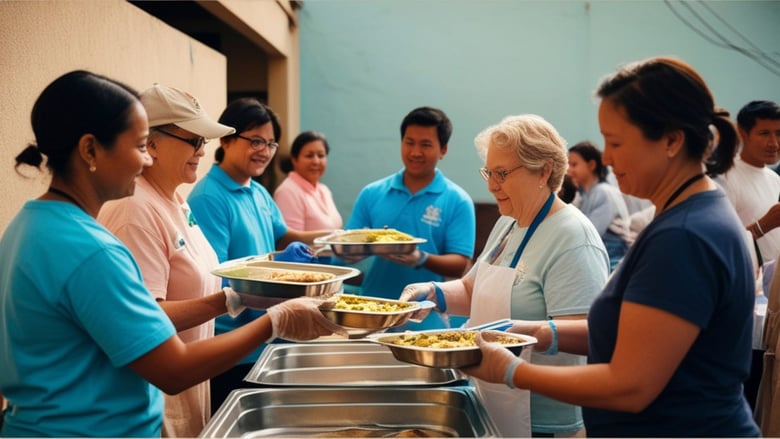
Every Sunday after service, after funerals, during community dinners, and at countless church events, someone has fed the congregation. That someone is usually a woman—often the same small group of women—coordinating meal planning, grocery shopping, food preparation, serving, and cleanup for dozens or hundreds of people.
These #Women run what amounts to a catering operation without catering budgets, staff, or commercial kitchen equipment. They're managing food ministries out of undersized church kitchens with residential-grade equipment, donated mismatched serving pieces, and whatever supplies they can afford from tight budgets or their own pockets.
Church food ministry includes weekly meals for seniors, funeral receptions for grieving families, community dinners, fellowship meals, and special event catering throughout the year. The women coordinating these ministries are doing real, skilled work—often unpaid, frequently under-resourced, and rarely acknowledged.
This isn't about praising their sacrifice (although they wholly deserve it!). It's about recognizing that church food ministries deserve adequate supplies and equipment that reduce workload and honor the people doing this essential work.
The Reality of Church Food Ministry
Inadequate equipment: Residential-size ovens for cooking meals serving 100+. Not enough counter space. Insufficient refrigeration.
Mismatched servingware: Donated platters and bowls in various sizes. Nothing standardized or efficiently stored.
Budget constraints: Expected to feed large groups on minimal budgets.
Physical strain: Heavy lifting, hours on feet, repetitive tasks without proper equipment.
Time burden: Shopping, prepping, cooking, serving, and cleaning consuming entire days.
Invisible labor: Skilled work treated as volunteering rather than recognized as professional-level food service.
Better supplies won't eliminate the work, but they can significantly reduce physical strain and save time.
Essential Supplies That Actually Help
❶ Food Storage & Transport
- Commercial-grade food storage containers with lids in standardized sizes allow advance meal prep, proper refrigeration, and safe transport
- Hotel pans (steam table pans) with fitted lids create standardized systems. These pans move from prep to oven to chafing dish to refrigerator—one pan, multiple uses
- Insulated food carriers maintain food temperature during transport
❷ Serving & Presentation
- Chafing dishes with fuel holders keep food at safe serving temperatures during extended meal service. Funeral receptions and fellowship meals don't have precise serving times
- Standardized serving utensils in adequate quantities mean not washing utensils mid-service
- Heavy-duty aluminum pans for disposable baking and serving reduce cleanup burden significantly (after hours preparing meals, washing dozens of pans is exhausting!)
❸ High-Volume Food Prep
- Large mixing bowls adequate for batch cooking
- Commercial-size colanders and strainers for draining pasta and washing produce at appropriate scale
- Portion scoops in various sizes ensure consistent serving sizes and speed serving lines
- Can openers that work when opening dozens of institutional-size cans
❹ Disposables That Reduce Workload
- Quality disposable plates, bowls, and cutlery reduce cleanup burden. Yes, reusable dishes are more sustainable, but they require washing—labor that falls on already-overtaxed volunteers. Sometimes disposables are the humane choice.
- Heavy-duty aluminum foil & plastic wrap in commercial widths
- Food service gloves for safe food handling
- Napkins in adequate quantities
❺ Cleaning & Sanitation
- Commercial cleaning supplies adequate for food service sanitation
- Dish soap, sanitizer & surface disinfectants appropriate for commercial food service
- Heavy-duty trash bags
What Churches Can Do
Food ministry budgets should reflect operations scale. If your church feeds 100 people weekly, budget accordingly. Expecting volunteers to subsidize ministry from their own funds is neither fair nor sustainable.
Quality equipment investment reduces ongoing costs and volunteer burden.
Assess kitchen adequacy honestly. Does capacity match ministry demands?
Acknowledge that food ministry is skilled work requiring planning, execution, and physical labor.
Compensate when possible. Consider honorariums for coordinators.
Recruit help actively. Don't let the same few women carry the entire burden.
Provide physical support with shopping, heavy lifting, setup, and cleanup.
Practical Supply Recommendations
▶ For Weekly Meals (50-100 people)
- 6-8 chafing dishes with fuel
- 20-30 hotel pans with lids
- 2-3 insulated food carriers
- Standardized serving utensil set
- Commercial mixing bowls
- Portion scoops
- Heavy-duty aluminum pans
- Adequate disposables budget
▶ For Funeral Receptions
- Disposable servingware
- Coffee service supplies for 50+
- Insulated beverage dispensers
▶ For Community Dinners
- High-volume serving equipment
- Takeout containers
- Extra chafing dishes
Supporting the Women Who Run Church Food Ministries
At merchants.ca, we supply Canadian #Churches with food service equipment that lightens the workload for the women that often run the food ministries:
- Chafing dishes and fuel for safe food temperature maintenance
- Hotel pans and storage containers for standardized prep and serving
- Insulated food carriers maintaining temperature during transport
- Disposable servingware reducing cleanup burden
- Commercial food service supplies appropriate for institutional kitchens
- Bulk purchasing options making adequate supply affordable
- Serving utensils and prep equipment for high-volume cooking
The women coordinating church food ministries deserve adequate tools and equipment that honor their work by making it less physically demanding, more efficient, and sustainable long-term.
Proper supplies don't replace volunteers—they respect them.
Explore church food service supplies at merchants.ca