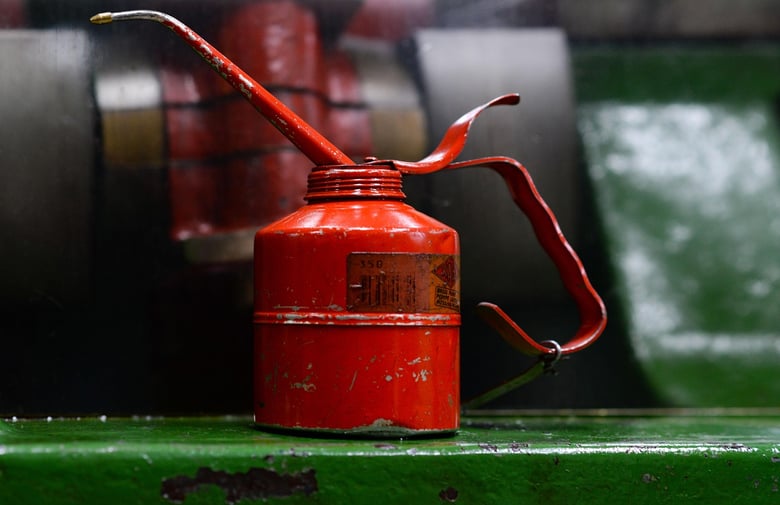
Two Products Every Facility Maintenance Program Needs: A Practical Guide to Lubricants and Degreasers
#FacilityManagers and #Maintenance staff understand that equipment doesn't maintain itself. Regular upkeep prevents breakdowns, extends equipment life, and keeps operations running smoothly. Yet maintenance programs often overlook or misunderstand two fundamental products that form the foundation of effective equipment care: degreasers and lubricants.
These aren't glamorous products. They don't appear on facility budgets as major line items. Yet the difference between equipment lasting decades and requiring premature replacement often comes down to whether maintenance staff understand when and how to use degreasers and lubricants — and critically, why sequence matters.
Many maintenance issues stem not from #Equipment failure but from improper maintenance practices. Using lubricant on greasy, dirty surfaces creates thick sludge that attracts more dirt and gums up moving parts. Applying lubricant without degreasing first is like painting over rust—the problem persists underneath, continuing to cause damage.
Understanding the complementary roles of degreasers and lubricants in equipment maintenance transforms how facility teams approach preventive care.
Understanding Degreasers: Why They Matter
#Degreasers remove built-up grease, oil, dirt, and residue that accumulate on equipment surfaces and moving parts through normal operation. Over time, equipment generates grease from bearings, gears, and lubrication points. This grease attracts dust, dirt, and contaminants, creating sticky buildup that impedes movement and increases friction.
Why degreasers are essential:
Equipment surfaces coated with grease and dirt don't function optimally. Grease buildup increases friction on moving parts, requiring more energy to operate and accelerating wear. Dirt particles trapped in grease act like abrasives, scratching and damaging bearing surfaces and gears.
Types of degreasers:
Water-based degreasers are environmentally friendly, biodegradable, and safe for most surfaces. They work effectively on moderate grease buildup and are appropriate for facilities prioritizing environmental responsibility.
Solvent-based degreasers provide more aggressive cleaning power for heavy grease and baked-on residue. These require proper ventilation and safety precautions but deliver superior results on extremely dirty equipment.
Alkaline degreasers work well on food equipment and general industrial machinery. They're effective on oils and grease without damaging most equipment surfaces.
Citrus-based degreasers offer natural, pleasant-smelling alternatives combining environmental responsibility with effective cleaning power.
Understanding Lubricants: Why They Matter
#Lubricants reduce friction between moving parts, enabling smooth operation while protecting metal surfaces from wear and corrosion. Without adequate lubrication, moving parts generate excessive friction, heat, and wear—leading to accelerated deterioration and eventual failure.
Why lubricants are essential:
Proper lubrication reduces energy consumption (less friction means equipment works more efficiently), extends equipment life by protecting surfaces from wear, reduces noise and vibration from friction, and prevents corrosion by protecting metal from moisture and oxygen exposure.
Types of lubricants:
Light machine oils work for general equipment requiring moderate lubrication. They're appropriate for many facility maintenance applications.
Heavy-duty lubricants and greases provide protection for heavily-loaded equipment, bearings under significant stress, and applications requiring longer-lasting protection.
Multi-purpose lubricants address varied equipment needs with single products, simplifying inventory and training requirements.
Specialized lubricants exist for specific applications—food-safe lubricants for food equipment, waterproof lubricants for outdoor equipment, and high-temperature lubricants for heat-exposed machinery.
The Sequence Matters: Why Degrease First
This is critical: Always degrease before lubricating.
Applying lubricant to greasy surfaces creates a thick sludge combining old grease, new lubricant, and attracted dirt. This sludge is worse than the original grease—it's thicker, stickier, and more likely to accumulate additional contamination.
The proper sequence:
- Identify equipment requiring maintenance based on maintenance schedules, observation of increased friction or noise, or visible grease buildup
- Apply degreaser using appropriate concentration and method for the equipment and grease level
- Allow degreaser to work (typically 5-15 minutes depending on product and buildup severity)
- Scrub or wipe away loosened grease using brushes, cloths, or appropriate cleaning methods for the equipment
- Rinse thoroughly removing all degreaser residue (critical—residual degreaser can interfere with lubricant effectiveness)
- Allow to dry completely before applying lubricant
- Apply lubricant in appropriate quantity for the equipment and application
- Work lubricant into moving parts through operation or manual movement where safe
Practical Application by Equipment Type
Hinges & Moving Mechanisms
- Degrease: Light degreaser application removes dust and old lubricant buildup
- Lubricate: Light machine oil or multi-purpose lubricant ensures smooth operation
- Sequence: Degreasing removes old, dirty lubricant; fresh lubricant works more effectively
Bearings & Gears
- Degrease: Solvent-based degreaser removes heavy grease and contamination
- Lubricate: Heavy-duty bearing grease or specialized lubricant protects under load
- Sequence: Clean surfaces accept lubricant more effectively, providing superior protection
Food Equipment
- Degrease: Food-safe degreaser removes grease and food residue safely
- Lubricate: Food-safe lubricant prevents contamination while protecting moving parts
- Sequence: Degreasing removes accumulated food particles; food-safe lubricant prevents future buildup
Outdoor Equipment
- Degrease: Water-based degreaser removes weathered grease and dirt
- Lubricate: Waterproof lubricant protects from moisture and corrosion
- Sequence: Degreasing removes old lubricant compromised by weather; waterproof lubricant provides fresh protection
Common Maintenance Mistakes
Mistake ❶: Lubricating without degreasing first. This creates sludge reducing equipment performance. Always degrease first.
Mistake ❷: Over-lubricating. Excess lubricant attracts dirt, creating buildup worse than insufficient lubrication. Use recommended quantities.
Mistake ❸: Using wrong lubricant type. Heavy-duty lubricant on light mechanisms creates sluggish operation. Match lubricant to equipment requirements.
Mistake ❹: Skipping degreaser rinse. Residual degreaser can break down lubricant. Rinse thoroughly before lubricating.
Mistake ❺: Inconsistent maintenance schedules. Equipment maintenance should follow regular schedules preventing extreme buildup. Monthly or quarterly degreasing and lubrication maintains optimal performance.
Building an Effective Maintenance Program
Inventory degreasers and lubricants appropriate for your facility's equipment. Most facilities benefit from:
- One water-based degreaser for routine use
- One solvent-based degreaser for heavy buildup
- One multi-purpose lubricant for general equipment
- Specialized lubricants for specific equipment types
Train staff on proper degreaser and lubricant use, including sequence importance and safety precautions.
Establish maintenance schedules documenting which equipment requires degreasing and lubrication, how frequently, and responsible parties.
Track maintenance noting when equipment was serviced, improving predictability and preventing missed maintenance.
Monitor equipment performance watching for increased noise, friction, or grease buildup indicating maintenance needs.
The ROI of Proper Lubrication & Degreasing
Equipment maintained with proper degreasing and lubrication schedules lasts significantly longer than equipment receiving inconsistent or improper maintenance. The cost of degreasers and lubricants is minimal compared to premature equipment replacement.
Consider a facility with $100,000 in equipment. Proper maintenance extending equipment life from 7 years to 12 years through $500 annual degreaser and lubricant investment represents exceptional ROI.
Degreasers & Lubricants at merchants.ca
At merchants.ca, we supply Canadian facilities with quality degreasers and lubricants:
- Water-based degreasers for routine maintenance and environmental responsibility
- Solvent-based degreasers for heavy-duty cleaning and extreme buildup
- Multi-purpose lubricants for general facility equipment
- Specialized lubricants for food equipment, outdoor machinery, and high-temperature applications
- Maintenance supplies supporting comprehensive equipment care programs
Effective facility maintenance requires understanding complementary products working together. Degreasers prepare equipment surfaces; lubricants protect and enable smooth operation. Used in proper sequence, these two products form the foundation of preventive maintenance programs extending equipment life and protecting facility assets.
The difference between maintenance programs that sustain equipment and those that see premature failure often comes down to understanding when and how to use degreasers and lubricants properly.
Explore quality degreasers & lubricants at merchants.ca