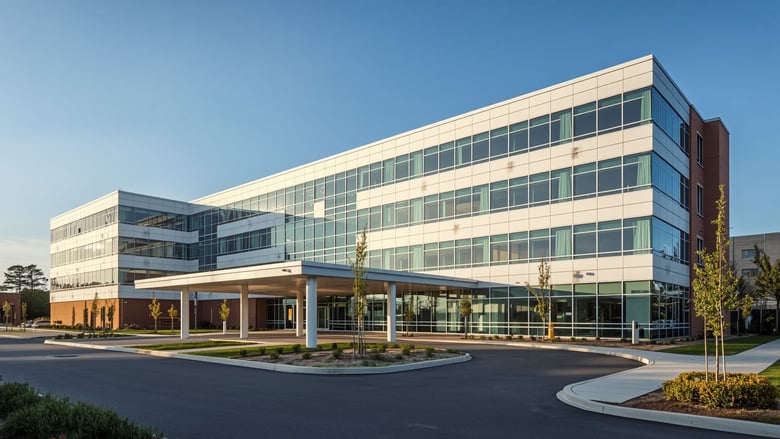
Beyond Healthcare: The Hidden Ways Hospitals Strengthen Communities
When people think about #Hospitals, they envision emergency rooms and patient care. Yet hospitals function as far more than healthcare facilities—they're anchors shaping community infrastructure, educating professionals, creating employment, and driving economic development in ways most people never consider.
Understanding the full scope of hospital community impact reveals why these institutions matter beyond direct healthcare. Hospitals are economic engines, educational centers, and infrastructure developers. When hospitals thrive, communities benefit in countless visible and invisible ways.
Economic Anchors & Employment
Hospitals represent among the largest employers in most communities. A mid-size hospital employs 500-1,000 people. Large medical centers employ 5,000+ people across clinical, administrative, technical, and support roles.
Employment impact extends beyond direct jobs: Hospital employees spend wages in local businesses, supporting restaurants, retail, and services. These secondary jobs depend on hospital payroll flowing through communities.
Career pathways provide stable, well-paying positions enabling families to remain in communities. Nurses, technicians, and administrators build lives anchored by hospital employment.
Supplier relationships create additional economic activity. Hospitals purchase supplies, equipment, and services from local vendors, supporting supply chains throughout communities.
In communities where manufacturing declined, hospitals often represent the largest employer, stabilizing local economies when other industries disappeared.
Education & Workforce Development
Hospitals serve educational roles creating future healthcare professionals:
- Nursing programs train nurses at multiple levels while requiring tuition spending in communities.
- Medical residency programs train physicians in specialized fields, creating academic environments benefiting communities.
- Allied health training in radiology, respiratory therapy, and laboratory science prepares healthcare workers.
- Continuing education keeps healthcare professionals current with evolving practices.
Apprenticeships in maintenance, administration, and IT develop workforce capabilities.
These educational functions create skilled workers and attract educated professionals to communities. When hospitals close, associated educational programs disappear, eliminating pathways to professional careers.
Infrastructure Development
Hospitals catalyze infrastructure development:
- Transportation improvements expand to support hospital access. Communities improve roads, parking, and public transit serving hospitals, benefiting all residents.
- Facility upgrades trigger broader development. Hospital campus expansion prompts neighborhood improvements and community gathering spaces.
- Technology infrastructure hospitals implement often improves community capabilities more broadly.
- Housing development follows hospital expansion as professionals relocate, increasing residential demand and spurring construction.
Community Health Beyond Treatment
Beyond treating illness, hospitals advance community health:
- Preventive health programs including screenings and health education reach community members before they need emergency care.
- Chronic disease management helps patients manage conditions outside hospital settings, improving quality of life.
- Mental health services address community needs hospitals often serve when other resources are unavailable.
- Public health collaboration during emergencies positions hospitals as community partners protecting population health.
Social Services & Safety Net
Hospitals often serve as community safety nets:
- Emergency services available 24/7 provide care when no alternative exists.
- Charity care and financial assistance serve uninsured patients preventing financial catastrophe.
- Community clinics operated by hospitals provide affordable primary care in underserved areas.
- Crisis intervention programs address mental health and substance abuse challenges.
Community Partnerships
Hospitals partner on community challenges:
- School partnerships support student health and health professional pipeline development.
- Business partnerships address workforce health and occupational safety.
- Nonprofit collaborations advance food security and housing stability.
- Advocacy on health policy and community needs positions hospitals as community voices.
Recognizing Hospital Value
Hospital community contributions extend beyond direct activities. Stable employment supports families. Healthcare workers educated locally often remain, building professional networks. Infrastructure improvements benefit all residents. Community health initiatives prevent suffering.
When hospitals close, communities lose far more than healthcare access. They lose employment, educational opportunities, infrastructure investment, and community partnerships.
Hospitals strengthen communities. Their value extends far beyond healthcare.
Hospitals strengthen communities through infrastructure, education, and economic development. Recognizing their broader impact reveals why supporting hospitals benefits entire communities.
Explore hospital supplies at merchants.ca